Table of Contents
- Prepare Before the Conversation
- Constructive Feedback Scripts for Managers
- Constructive Feedback Examples for Work
- How to Handle Defensive Reactions to Feedback
- Active Listening and Two-Way Dialogue
- Follow Up and Close the Feedback Loop
- Frequently Asked Questions
Last Updated: August 20, 2026
Prepare Before the Conversation
The difference between feedback that lands and feedback that backfires comes down to preparation. Before you deliver constructive feedback professionally, clarify three things: the specific behavior you observed, its impact, and what you want to see change. Vague feedback creates confusion. Specific feedback creates action.
Write down the exact behavior, not an interpretation, the observable action. If someone missed a deadline, note the date and what was due. If communication was unclear, identify the specific message. This specificity removes emotion and gives the person concrete information to work with.
Next, document the impact. How did this behavior affect the team, project, client, or business? Be honest about consequences. This context helps the person understand why you’re having the conversation.
Finally, choose the right time and setting. Never deliver feedback in front of others or when either of you is rushed. Schedule a private conversation in a neutral space where you can sit at the same level. The physical environment signals this is a conversation, not a performance review.
Define the specific behavior and its impact
Specificity removes ambiguity and defensiveness. Instead of “You’re not a team player,” try “In the last three meetings, you didn’t speak up when we asked for input on the project timeline.” The second version is grounded in observable facts and harder to argue with.
The impact statement connects behavior to consequences and answers why the person should care about changing. Say: “When the deadline was missed, the client timeline shifted by two weeks, which affected the team’s ability to start the next phase on schedule.” Specific impact creates understanding.
Choose the right time and setting
Schedule the conversation in advance with a simple message: “I’d like to sit down with you this week to discuss the project timeline. Do you have 30 minutes on Wednesday or Thursday?” This removes shock and gives the person time to prepare.
Choose a neutral, private setting, a quiet conference room or your office with the door closed. Don’t use hallways or crowded spaces. Wait for a moment when both of you can think clearly and respond thoughtfully.
Constructive Feedback Scripts for Managers
A clear script prevents you from getting emotional, rambling, or criticizing the person instead of the behavior. The Method Lab’s approach uses three phases: opening, delivery, and closing.
Opening with clarity and respect
State the purpose directly and respectfully. Try: “I wanted to talk with you about something I observed on the project timeline. I noticed the deadline for the deliverable was missed by three days. I want to understand what happened and figure out how we can prevent this from happening again.”
This opening names the specific behavior, signals this is a conversation (not a lecture), and invites the person’s perspective. Your tone matters, if you sound curious and calm, they’re more likely to engage honestly.
Delivering the feedback with specificity
Explain the impact clearly and give the person space to respond. Say: “When the deadline shifted, it pushed back the client review by two weeks. That affected the team’s ability to start phase two on schedule, which now puts us at risk of missing the final launch date. I need to understand what got in the way so we can address it.”
Then stop talking. Listen. The person may explain circumstances you didn’t know about or have context that changes your understanding. Ask clarifying questions: “What obstacles came up?” or “What would have helped you meet the deadline?” These show you’re trying to understand, not just criticize.
Closing with forward momentum
Move toward solutions. Say: “Here’s what I need to see going forward. I need you to flag timeline risks as soon as you see them. If you think a deadline might slip, tell me two weeks in advance so we can adjust. Can you do that?”
Get explicit agreement. Close by reinforcing that you believe in their ability to improve: “I know you’re capable of delivering on this. I just need you to communicate earlier when you see risks coming.”
Constructive Feedback Examples for Work
Real examples show how these principles work in different scenarios. The structure remains the same: specific behavior, clear impact, invitation to dialogue, path forward.
Missed deadlines and time management
Opening: “I’ve noticed that the client deliverable was three days late and the internal report missed its deadline by a week. I want to understand what’s happening and figure out how to support you.”
Delivery: “When deadlines slip, it affects the team’s ability to keep projects on track and impacts our credibility with clients. For the client deliverable, they had to delay their review timeline. I need to know what’s getting in the way.”
Closing: “Here’s what I need: Send me a status update on all your deadlines every Friday at 4 p.m. If something’s at risk of slipping, flag it then so we can problem-solve together. Does that work?”
Communication gaps in team settings
Opening: “I wanted to talk about what happened in yesterday’s team meeting. You announced the process change without looping me in first. I want to understand what happened.”
Delivery: “When changes that affect other teams get announced without coordination, it creates confusion. The other team got conflicting information about how the change would impact their workflow. Going forward, I need to be in the loop on decisions like this before they’re communicated to the broader team.”
Closing: “Before you announce any process changes in team meetings, send me a heads-up first. That gives us time to coordinate and make sure we’re aligned. Can you do that going forward?”
Quality and attention to detail
Opening: “I reviewed the report you submitted yesterday. I found several errors that need to be addressed before it goes to the client. Let’s talk about what happened.”
Delivery: “The report had three typos, inconsistent formatting, and a calculation error in the revenue summary. When client-facing documents have errors, it reflects on our professionalism and makes the client question our accuracy.”
Closing: “Before you submit any client-facing documents to me, do a final proofread and check all calculations. If you’re feeling rushed on a deadline, tell me early so we can adjust the timeline. Can you commit to that?”
How to Handle Defensive Reactions to Feedback
Not everyone receives feedback gracefully. Some people get quiet. Some get defensive and argue. Some make excuses. These reactions are normal.

Recognize defensiveness early
Watch for immediate disagreement, deflection, excuse-making, or emotional reactions. These are signs the person is in a defensive state. When you notice defensiveness, pause. Don’t push harder.
Pause and create psychological safety
Defensiveness comes from a threat response. Signal safety: “I can see this is hitting you hard. That’s okay. I’m not trying to criticize you as a person. I’m trying to solve a specific problem together.”
Or: “I notice you disagree with what I’m saying. I want to understand your perspective. Help me see what I’m missing.”
Give the person time to process. If they’re too activated, say: “I can see you need some time with this. Let’s take a break and come back to this conversation tomorrow.”
Return to the behavior, not the person
When someone gets defensive, redirect to the specific behavior. If they say “You think I’m incompetent,” respond: “I don’t think that at all. I’m pointing out that the deadline was missed. That’s a behavior we need to address.”
This keeps the conversation grounded in observable facts rather than interpretations.
Active Listening and Two-Way Dialogue
Constructive feedback professionally is a conversation where both people contribute. Active listening means genuinely trying to understand the other person’s perspective, not waiting for your turn to talk.
Ask questions that show curiosity: “Tell me more about that.” “Help me understand what you mean.” “What would have helped you succeed here?”
When you listen actively, you often discover information that changes how you understand the situation. Maybe the person was working with unclear requirements or faced a resource constraint you didn’t know about. This information shapes the solution.
Two-way dialogue also builds trust. When someone feels genuinely heard, they’re more likely to accept feedback and commit to change.
Follow Up and Close the Feedback Loop
Schedule a check-in within one to two weeks. This signals you’re serious about the feedback and paying attention to whether things improve.
Ask specific questions: “How are you doing with the Friday status updates?” or “Have you had a chance to implement the new process?” Notice what’s working and what’s still difficult.
If the person is making progress, acknowledge it: “I can see you’re flagging risks earlier now. That’s exactly what I was asking for. Keep it up.” If they’re still struggling, dig deeper and problem-solve together.
Close the feedback loop by documenting what you discussed. Send a brief email summarizing the behavior you observed, the impact, what you discussed, and what you’re expecting going forward. This creates a shared record and removes ambiguity about what was agreed to.
Delivering constructive feedback professionally requires clarity, respect, and genuine dialogue. The challenge most managers face isn’t knowing what to say, it’s staying structured when emotions rise and maintaining focus on behavior instead of personality.
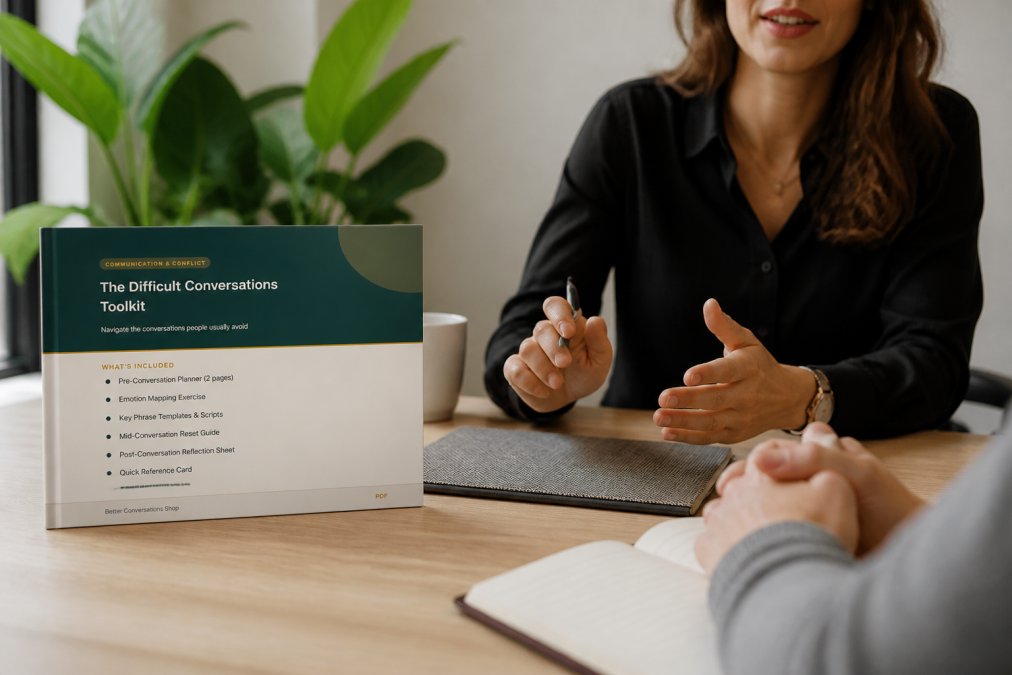
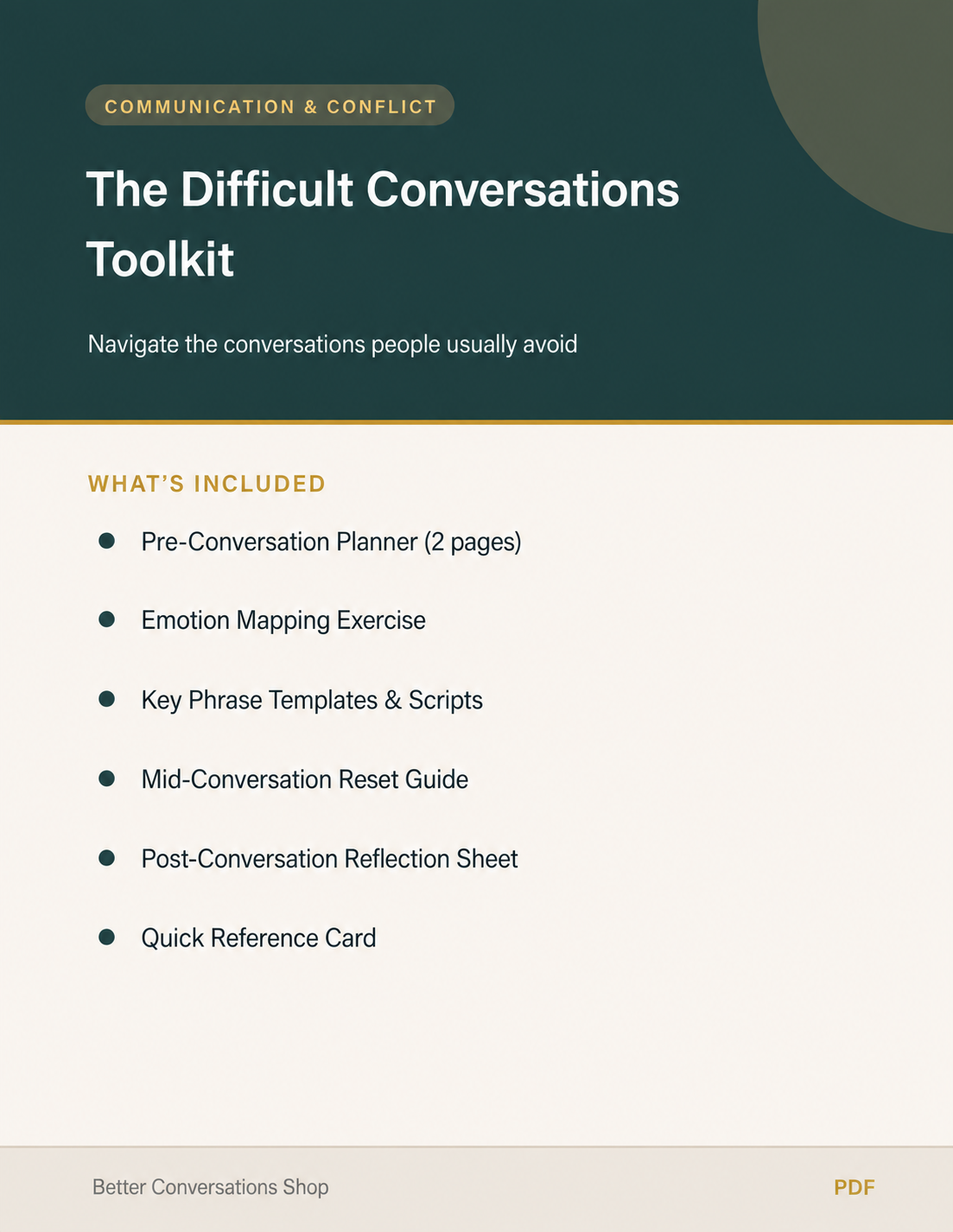
The Method Lab provides structured conversation guides and preparation tools designed for these high-stakes moments. The Difficult Conversations Toolkit includes a pre-conversation planner and emotion mapping exercise to help you prepare thoroughly. For managers running regular feedback conversations, The Manager’s 1:1 Meeting Mastery Kit provides templates for turning one-on-ones into coaching conversations that build trust and drive behavior change. Get your free toolkit and start delivering feedback that actually lands.
Frequently Asked Questions
What are the key principles for delivering constructive feedback professionally?
Effective constructive feedback rests on four pillars: specificity (focus on observable behavior, not personality), timeliness (deliver it soon after the event), actionable solutions (explain what needs to change), and a supportive tone (frame it as coaching, not criticism). The goal is behavioral change and professional development, not blame. Using non-judgmental language and maintaining emotional intelligence throughout the conversation helps the recipient stay receptive rather than defensive.
Can you provide constructive feedback examples for work that I can adapt to my team?
Yes. For missed deadlines: ‘I noticed the project came in three days late. That impacted the client timeline. Going forward, let’s break larger projects into checkpoints so we can catch delays earlier.’ For poor communication: ‘In yesterday’s meeting, I didn’t hear your perspective on the budget. Next time, I’d like you to share your thoughts early so we can address concerns together.’ For quality issues: ‘This report has several calculation errors. Before you send it out, run a quick verification check. That extra step will catch mistakes before they reach the client.’ Each example focuses on the specific behavior and the path forward.
What should I do if someone becomes defensive when I give them feedback?
Pause the conversation and acknowledge their reaction without judgment. Say something like, ‘I can see this landed differently than I intended. My goal isn’t to criticize you—it’s to help us both succeed.’ Then return to the specific behavior, not their character or competence. Ask open questions: ‘What’s your take on this?’ or ‘What would help you tackle this differently next time?’ This shifts the conversation from one-way criticism to two-way dialogue, which reduces defensiveness and builds psychological safety. If emotions are high, offer to revisit the discussion after a short break.
How often should I give constructive feedback to my team members?
Feedback should be ongoing, not annual. The most effective approach is regular informal feedback during one-on-one meetings (ideally weekly or bi-weekly) combined with formal performance reviews. Frequent, timely feedback prevents problems from building up and shows employees you’re invested in their growth. It also normalizes feedback as a coaching tool rather than a punishment signal. When feedback becomes routine, people become more receptive and less defensive because it’s expected as part of professional development, not a surprise criticism.