
Table of Contents
- Why Coaching Conversation Tools Matter
- Coaching Conversation Templates That Build Structure Without Rigidity
- Best Coaching Assessment Tools for Behavioral Insights
- Coaching Session Structure Examples for Different Scenarios
- Coaching Tools for Managers: Frameworks for High-Stakes Conversations
- Measuring Coaching Outcomes and Impact
- Selecting the Right Coaching Conversation Tools for Your Practice
- Conclusion
Last Updated: August 8, 2026
Why Coaching Conversation Tools Matter
Professional coaches and leaders struggle to translate good intentions into structured, measurable conversations. Without the right tools, even experienced practitioners struggle to demonstrate client progress or replicate success. The difference between a conversation that shifts perspective and one that frustrates both parties often comes down to preparation and framework.
Coaches who use structured tools report higher client satisfaction and clearer evidence of impact. When you have a conversation template to guide your session flow, you’re executing a proven methodology rather than improvising. This distinction matters because it’s the difference between feeling confident and second-guessing yourself mid-conversation.
This guide focuses specifically on tools that matter most for the actual conversation itself, whether you’re a manager navigating your first difficult conversation, a professional coach building credibility with enterprise clients, or a leadership development consultant preparing high-stakes engagements.
Coaching Conversation Templates That Build Structure Without Rigidity
A well-designed coaching conversation template provides guardrails without feeling scripted. The best ones follow a predictable flow: opening, exploration, insight generation, commitment. Templates work because they reduce cognitive load, letting you focus on listening deeply rather than wondering what to ask next.
Effective coaching session structures typically include: a clear opening that establishes psychological safety, discovery questions that help clients articulate their own insights, reflection prompts that deepen awareness, and action commitments that create accountability. This sequence mirrors how people actually change, jumping straight to solutions before exploration rarely sticks.
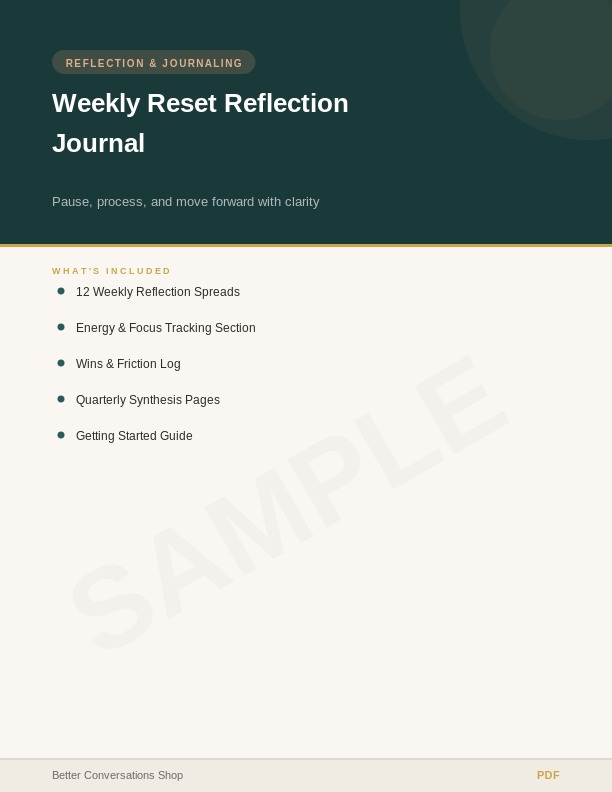
The Method Lab’s Coaching Session Prep Workbook ($23.99) uses this principle across 12 weeks of guided reflection. Each week includes structured prompts that help you prepare intentionally for sessions, ensuring you’re not walking in unprepared.
Many organizations treat templates as rigid scripts. The opposite is true. A template is a thinking tool that helps you ask better questions because you’re not burning mental energy remembering what comes next. The best templates include space for notes, observation, and adaptation, enhancing authenticity rather than replacing it.
Best Coaching Assessment Tools for Behavioral Insights
Behavioral assessment tools bring data into the coaching conversation. Instead of relying on perception alone, you’re working with structured insights about how someone thinks, communicates, and makes decisions. The best tools integrate seamlessly into your session without feeling like a test.
Assessment tools typically fall into two categories: personality and behavioral frameworks (like DISC, Myers-Briggs, or StrengthsFinder) and performance-based tools that track specific coaching outcomes. The first helps you understand how someone prefers to operate. The second measures whether coaching is actually working.
When selecting an assessment tool, look for instruments that clients will find actionable, not just interesting. A personality assessment generating a 40-page report nobody reads isn’t a tool, it’s overhead. The best assessments translate into 3-5 specific behavioral shifts the client can focus on.
CoachAccountable ($20/month for up to 2 clients) includes client progress tracking built into its platform, allowing you to measure behavioral change over time. This shifts coaching from anecdotal (“I feel like I’m communicating better”) to evidence-based (“Your team feedback scores increased 23% over three months”).
Assessment tools should deepen your coaching conversation, not replace it. Use them to generate specific discussion points, validate hunches, and track whether your interventions are actually moving the needle.

Coaching Session Structure Examples for Different Scenarios
Different conversation types require different structures. A performance review follows a different arc than conflict resolution or career development. Understanding these distinctions helps you prepare appropriately and execute with confidence.
Goal-Setting Conversations follow this structure: context and aspiration (what does success look like?), current reality assessment (where are we now?), gap analysis (what’s the distance?), and action planning (how do we close it?). This takes 45-60 minutes and works best when you’ve reviewed previous goals and progress.
Career Development Conversations require more exploration: career aspirations (where do they want to go?), strengths inventory (what are they already good at?), capability gaps (what needs development?), and growth opportunities (what specific experiences would help?). These often surface that stated goals don’t align with values, valuable insight worth exploring.
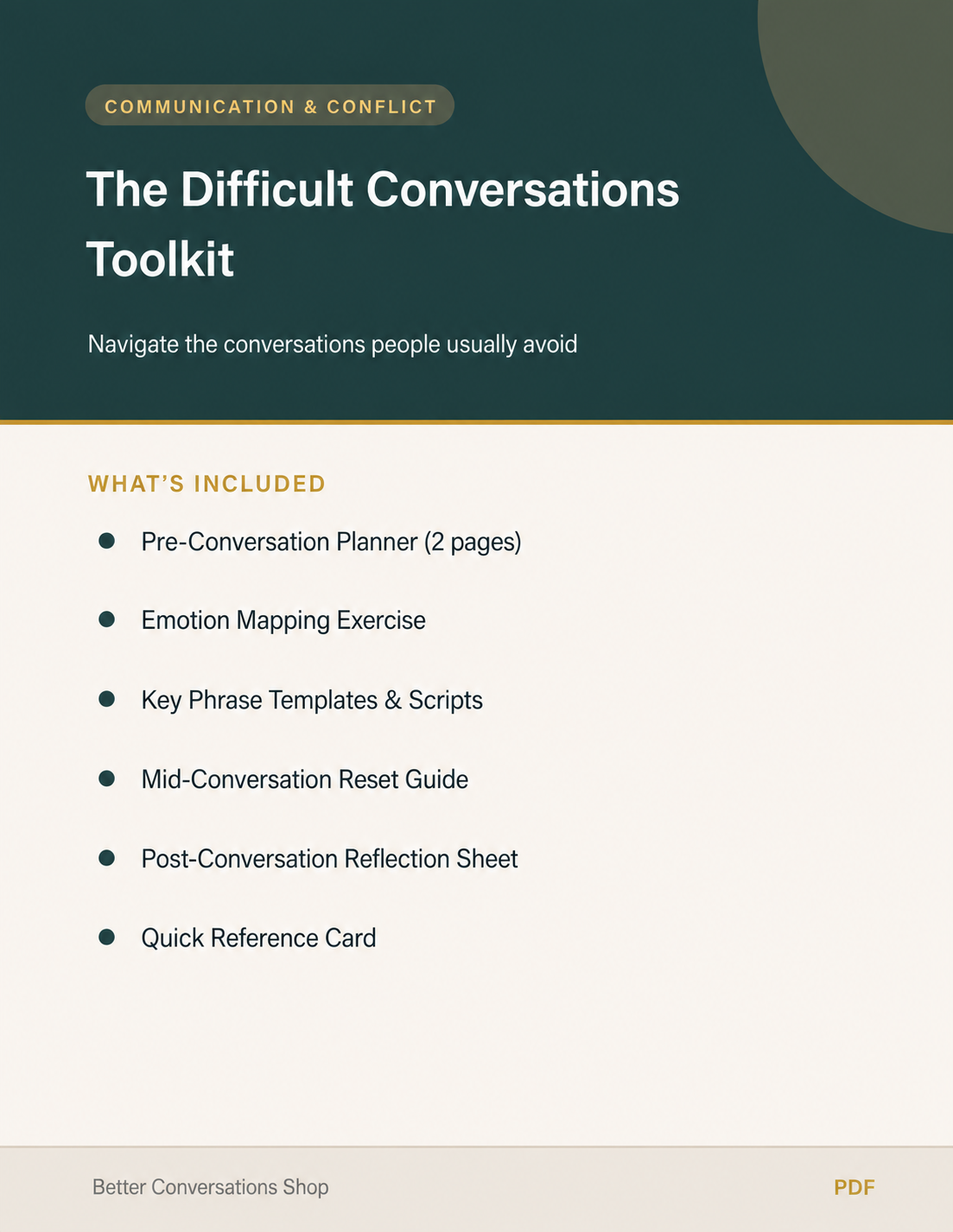
Conflict Resolution Conversations are highest-stakes because emotions are elevated. The structure must create safety first: acknowledge the tension, establish ground rules for respectful dialogue, have each party articulate their perspective without interruption, identify shared interests, and build agreement on next steps. The Method Lab’s The Difficult Conversations Toolkit ($28.99) includes a pre-conversation planner that maps emotional triggers and prepares de-escalating language.
One-on-One Check-Ins (the most frequent conversation type) follow a lighter structure: what’s working, what’s not working, what do they need from you, and what’s the one thing they’re committing to this week. These 20-30 minute conversations build trust over time and often surface bigger issues needing deeper coaching.
Predictability reduces anxiety. When clients know what to expect, they show up more authentically and can focus on the work itself.
Coaching Tools for Managers: Frameworks for High-Stakes Conversations
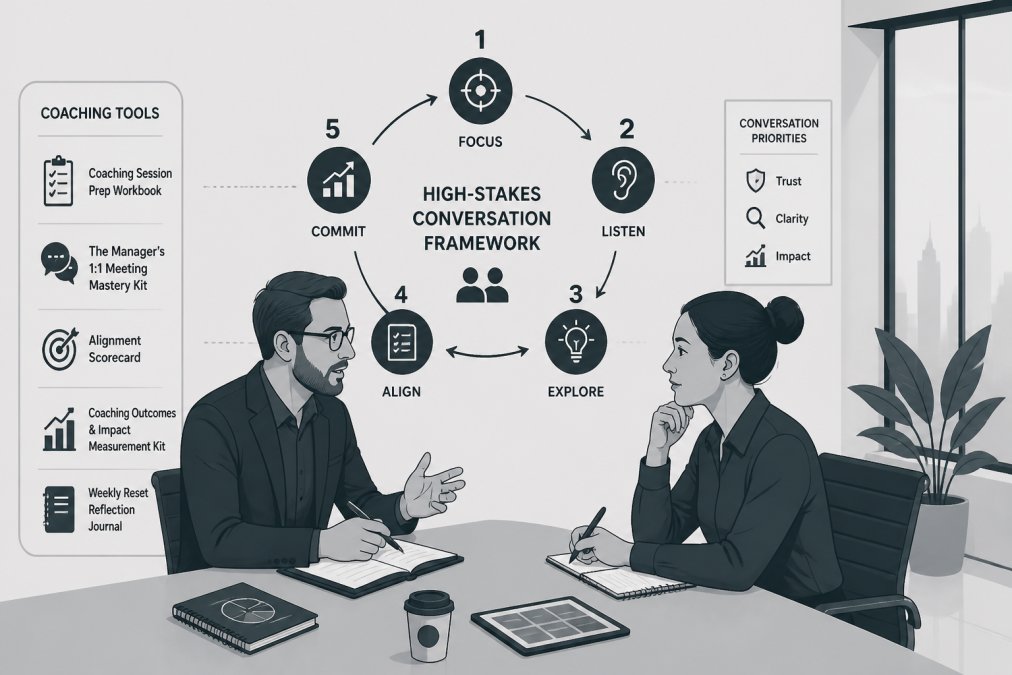
Managers often find themselves in coaching situations without formal coaching training. A new leader faces performance conversations, conflict resolution, and motivation challenges with no playbook. Coaching tools for managers bridge this gap by providing specific language for common scenarios: delivering feedback that lands, addressing performance issues without defensiveness, and having career conversations that retain talent.
Performance Review Conversations
Performance reviews often fail because they’re treated as compliance checkboxes rather than coaching opportunities. The difference between a review that motivates and one that demoralizes comes down to conversation structure and tone.
Effective performance review conversations include: context-setting (this is about your growth), specific observation (here’s what I’ve noticed), impact articulation (here’s why it matters), collaborative problem-solving (what do you think we should do?), and commitment (here’s what I’m committing to support you). This takes 30-45 minutes and works best with specific examples rather than generalizations.
The Method Lab’s Performance Review Conversations Toolkit ($28.99) provides the exact framework managers need. It walks through conversation structure, effective language, and handling defensiveness.
Difficult Conversations and Conflict Resolution
Difficult conversations are where most managers feel least equipped. Whether addressing a behavior impacting the team, managing conflict between direct reports, or having a career conversation with underperforming employees, these moments feel high-stakes.
The structure for difficult conversations must address emotion before logic. Start by acknowledging difficulty: “I want to talk about something important, and I know it might be uncomfortable.” Then articulate the specific behavior and its impact: “When X happens, it affects the team in Y way.” Avoid generalizations or character judgments. Invite their perspective: “Help me understand what’s going on from your side.” Listen to understand, not rebut. Then move toward solution: “What do you think we should do differently?”
Conflict resolution conversations between team members follow a similar structure. Bring both parties together in a neutral setting. Establish ground rules: no interrupting, focus on behaviors not character, goal is resolution not winning. Have each person articulate their perspective. Identify the core disagreement. Build agreement on what needs to change. Follow up to ensure the agreement holds.
The Method Lab’s The Difficult Conversations Toolkit addresses this precisely. It includes emotion mapping exercises, language templates that de-escalate, and recovery strategies if conversations go sideways.
Measuring Coaching Outcomes and Impact
Coaching’s credibility problem is real. Many coaches struggle to articulate the value they deliver. They see behavior change, goal achievement, and feedback, but can’t point to structured evidence. This is where coaching outcomes measurement becomes essential.
The best approach combines quantitative metrics and qualitative feedback. Quantitative metrics might include: goal achievement rate (did the client reach their stated goals?), behavioral change indicators (360-degree feedback scores, team feedback), and business impact metrics (revenue, retention, promotion rate). Qualitative feedback captures the client’s own assessment of growth and specific shifts they’ve experienced.
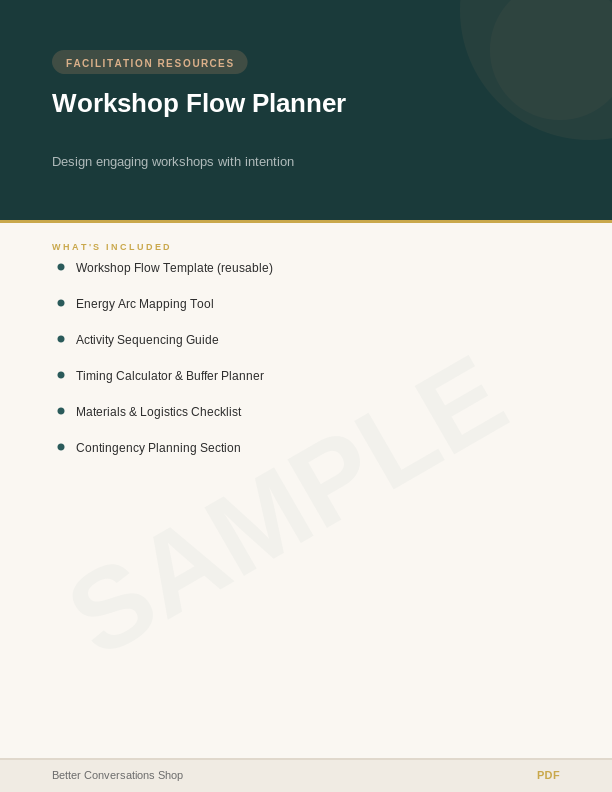
The Method Lab’s Coaching Outcomes & Impact Measurement Kit ($28.99) provides the exact framework. It includes pre-coaching and post-coaching assessment templates, goal tracking mechanisms, and evidence collection tools that help you build a portfolio of client results. This shifts coaching from a service people buy because they think it’s good into a service people buy because they can see it works.
Measurement also improves your coaching. When tracking specific outcomes, you become more intentional about what you’re working toward. You’re having conversations designed to move specific metrics, not just having good conversations.
Selecting the Right Coaching Conversation Tools for Your Practice
Choosing the right tools depends on three factors: your specific use case, your team’s needs, and your budget.
For solo coaches focused on conversation quality: The Method Lab’s tools are purpose-built for this. The Coaching Session Prep Workbook ($23.99) helps you prepare intentionally. The Difficult Conversations Toolkit ($28.99) and Performance Review Conversations Toolkit ($28.99) provide frameworks for high-stakes scenarios. The Coaching Outcomes & Impact Measurement Kit ($28.99) helps you track and communicate results. Total investment: under $120 for a comprehensive toolkit. These require no subscription, no per-client fees, and no learning curve.
For small teams (3-10 coaches) needing administrative support plus conversation tools: Paperbell ($0 free entry plan, paid tiers available) bundles scheduling, contracts, and client management without per-client fees. Combine this with The Method Lab’s conversation toolkits for a lean, integrated approach.
For mid-sized coaching practices (10+ coaches) needing comprehensive platform support: CoachAccountable ($20/month for up to 2 clients, scaling upward) includes client management, progress tracking, and outcome measurement built in.
For enterprise organizations deploying coaching at scale: BetterUp (contact for pricing) connects employees with a global network of certified coaches and integrates outcome measurement into your L&D infrastructure.
|
Tool |
Best For |
Starting Price |
Key Strength |
|---|---|---|---|
|
The Method Lab Toolkits |
Solo coaches, conversation quality |
$23.99-$28.99 per toolkit |
Structured frameworks for high-stakes conversations |
|
Paperbell |
Solo coaches, admin simplicity |
Free |
Flat pricing, no per-client fees |
|
CoachAccountable |
Small practices, outcome tracking |
$20/month (2 clients) |
Comprehensive platform, scalable pricing |
|
Simply.Coach |
Growing practices, client engagement |
$9/month (3 people) |
All-in-one with group coaching support |
|
BetterUp |
Enterprise deployment |
Custom pricing |
Global coach network, organizational integration |
Start with what matters most to your practice. If you’re struggling with conversation confidence and client results, invest in The Method Lab’s toolkits first. They’re inexpensive, immediately applicable, and solve the core problem. If you’re drowning in administrative overhead, layer in a platform like Paperbell or CoachAccountable. If you’re an enterprise deploying coaching organizationally, evaluate platforms like BetterUp that integrate with existing infrastructure.
The coaching conversation tools you choose should make you more confident, not more constrained. The best frameworks feel like thinking partners, not scripts. They help you ask better questions, navigate difficult moments with grace, and demonstrate clear value to clients investing in your expertise.
The Method Lab’s toolkits are designed specifically for this. They provide the structure that builds credibility while preserving the authenticity that makes coaching work. Whether you’re starting out or refining your practice, having client-ready frameworks for your most critical conversations changes how you show up.
Get Your Free Toolkit and start implementing structured coaching conversation frameworks that your clients will immediately recognize as valuable.
Frequently Asked Questions
What are the best tools for professional coaching conversations?
The best coaching conversation tools combine three elements: structured frameworks that guide dialogue, assessment instruments that reveal behavioral patterns, and session prep resources that save time. The Method Lab's Difficult Conversations Toolkit ($28.99) and Coaching Session Prep Workbook ($23.99) provide ready-made templates. For larger teams, platforms like CoachAccountable ($20/month) and Simply.Coach ($9/month) bundle conversation management with client tracking. The right choice depends on whether you need standalone templates or integrated practice management software.
How do coaching conversation tools improve client outcomes?
Structured coaching conversation templates reduce cognitive load, allowing you to focus on listening rather than remembering what to ask next. Assessment tools surface blind spots and behavioral patterns that conversations alone might miss. Research shows 60% of coaches lack adequate tools to evaluate coaching effectiveness. The Method Lab's Coaching Outcomes & Impact Measurement Kit ($28.99) addresses this by providing frameworks to track progress and demonstrate ROI. Clients see faster progress when conversations follow a clear methodology with measurable checkpoints.
Are there free resources for professional coaching conversation templates?
Yes. The Method Lab offers a free tier with foundational coaching resources. Many platforms like Paperbell and Prentus include free plans with basic features. However, free templates often lack the depth needed for complex scenarios like executive coaching or conflict resolution. Investing in professional-grade tools like The Method Lab's toolkits ($23.99–$28.99) typically yields better client outcomes and faster session preparation than free alternatives, especially for coaches working with high-stakes situations.
How do I choose the right coaching conversation tools for my team size and budget?
Start by identifying your primary need: Are you managing client conversations, tracking progress, or both? Solo coaches and small teams (5 people) benefit from affordable, focused tools like The Method Lab's individual toolkits or Paperbell's flat-rate pricing. Larger teams need integrated platforms like CoachAccountable or Simply.Coach that scale with client count. Budget $25–$30 per toolkit for conversation-specific resources, or $9–$20/month for platform subscriptions. Consider ROI: tools that reduce prep time and improve measurable outcomes justify their cost within weeks.