Table of Contents
- Pre-Session Preparation: Setting the Foundation
- How Long Should an Executive Coaching Session Be?
- Opening the Session: Building Coaching Engagement
- The Core Coaching Process: Moving Through Development Planning
- Executive Coaching Best Practices for Session Facilitation
- Post-Session Integration: Maximizing Session Value
- Conclusion
Last Updated: August 6, 2026
Pre-Session Preparation: Setting the Foundation
Facilitating executive coaching sessions requires intentional groundwork before the conversation begins. Executives expect facilitators to arrive with clarity about what will be discussed, why it matters, and what success looks like.
Creating an Executive Coaching Session Agenda Template
An effective template includes three core sections: opening context (5-10 minutes), focused exploration (40-45 minutes), and closing action (5-10 minutes). The opening establishes psychological safety and confirms today’s focus. The exploration section is where reflective inquiry happens and the client moves from problem description to insight. The closing section is where vague commitments become specific next steps with deadlines and success criteria.
The Society for Human Resource Management’s coaching guidelines emphasize that structure enables rather than constrains authentic conversation.
Pre-Session Preparation Checklist
Before every coaching session, work through this checklist:
- Review notes from the previous session and progress reported
- Note any external context the client mentioned: upcoming presentations, organizational changes
- Identify 3-5 powerful questions based on their development area
- Confirm session logistics: time, location or video link, materials needed
- Clarify your coaching intention for this specific client right now
- Check your own mental state and presence
- Prepare your physical space: quiet, professional, free from distractions
- Have session notes accessible but not visibly cluttering the space
- Set a timer to manage time awareness
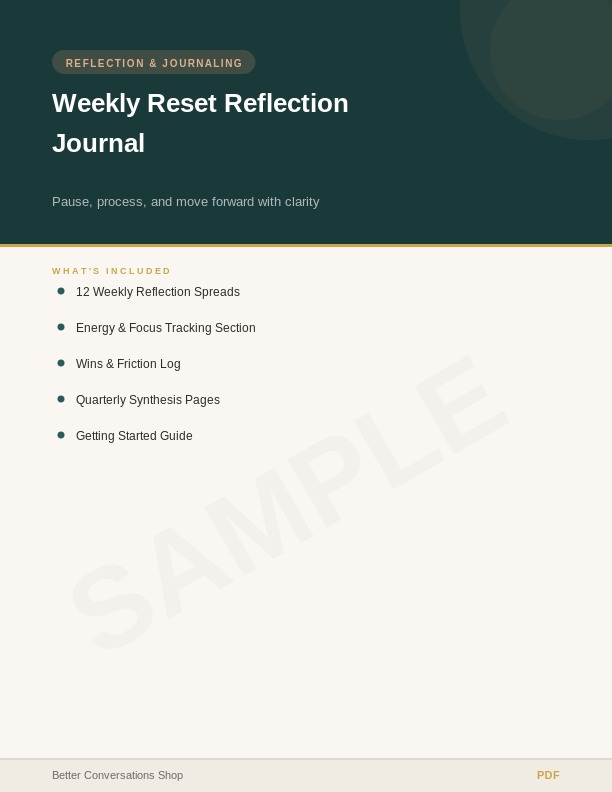
This checklist takes 10-15 minutes and prevents entering a coaching session on autopilot. The Method Lab’s Coaching Session Prep Workbook provides a structured 12-week reflection system for deepening preparation practice.
How Long Should an Executive Coaching Session Be?
The ideal executive coaching session runs 60 minutes, allowing sufficient time for opening context, meaningful exploration, and concrete action planning. Most executives can engage in deep reflection for about 45-50 minutes before attention fragments. Shorter sessions (30-45 minutes) work for check-ins but rarely allow the depth required for genuine development planning. Weekly or biweekly sessions typically show better outcomes than monthly ones because development momentum stays alive between sessions.
Opening the Session: Building Coaching Engagement
The first five minutes establish whether the client will engage authentically or stay defended. Start by checking in on how the client is actually doing right now: “How are you showing up today?” Then briefly acknowledge progress from the previous session, and confirm today’s focus: “Based on where you were last time and what’s happened since, what would be most valuable to focus on today?”

Coaching Questions for Executives That Drive Results
The quality of your questions determines the quality of your coaching. Powerful coaching questions are grounded in what you know about the client’s situation and invite reflection rather than justification.
Coaching question frameworks that work well with executives:
- For clarity: “What would need to be true for this to work?” or “What’s the core issue underneath the surface problem?”
- For accountability: “What’s your role in creating this situation?” or “What would change if you owned this completely?”
- For perspective: “How would someone you respect view this situation?” or “What would you tell a peer who brought you this exact problem?”
- For action: “What’s the smallest step you could take in the next week that would move this forward?”
The Center for Creative Leadership’s research on executive coaching effectiveness found that coaches who ask questions inviting self-reflection produce significantly better outcomes than those who offer advice.
The Core Coaching Process: Moving Through Development Planning
The heart of executive coaching is moving a client from awareness of a problem to commitment to change. This typically unfolds in three phases: naming the current reality, exploring the gap between current and desired state, and building a concrete development plan.
In the naming phase, listen for what’s actually being said beneath the words. Often executives describe a technical problem when the real issue is relational. In the exploration phase, help the client understand not just what’s happening, but why, what beliefs are driving their behavior? In the development planning phase, co-create specific, measurable commitments: not “be a better communicator,” but “I will schedule one-on-one conversations with each direct report within two weeks and ask for feedback on one specific improvement area.”
Active Listening and Reflective Inquiry
Active listening means understanding what the client means, noticing what they’re not saying, and creating space for them to think out loud. Reflective inquiry means playing back what you’re hearing to confirm understanding and help the client see their own thinking more clearly. When a client says “My team doesn’t respect my decisions,” you might reflect: “It sounds like you’re experiencing a gap between the authority you have and the influence you feel you have with your team. Is that accurate?”
The International Coach Federation’s standards for coaching competency emphasize that active listening and reflective inquiry are core competencies that separate effective coaches from those who simply offer advice.
Practical techniques include: pausing for three seconds after the client finishes speaking, noting emotions underneath the words, and asking follow-up questions that invite deeper exploration.
Handling Difficult or Stuck Sessions
When a client is defensive, the impulse is often to push harder. Resist that. Defensiveness signals the client feels unsafe or misunderstood. Slow down, acknowledge what you’re noticing, and ask permission: “I notice some resistance here. Is it okay if we pause and talk about what’s happening right now?”
When a client is stuck in circular thinking, interrupt the pattern gently: “I notice we’ve been circling around this for a few minutes. What if we tried a different angle? Instead of focusing on why this keeps happening, what if we focused on what you want to be true instead?”
Executive Coaching Best Practices for Session Facilitation
Effective coaching facilitation rests on several foundational practices. First, maintain clear boundaries between coaching and consulting. In coaching, you facilitate the client’s own discovery. Second, build in accountability without judgment. Third, maintain confidentiality absolutely. Fourth, stay curious about what you don’t understand.
Establishing Accountability and Action Items
The real work happens in the days and weeks after the session. Create the conditions where the client actually follows through on commitments by making them specific. “I’ll work on my communication” is not a commitment. “I will hold a 30-minute one-on-one with each of my three direct reports by Friday, and I will ask them what I should stop doing, start doing, and continue doing” is a commitment.
Build in a check-in mechanism between sessions. Some coaches send a brief email after the session summarizing action items. When a client doesn’t follow through, get curious rather than scold: “I notice you didn’t have those conversations. What got in the way?”
Building a Coaching Partnership Built on Confidentiality
The coaching relationship is built on trust, and trust is built on confidentiality. What the client tells you stays between you and the client. This boundary is essential because it allows the client to be honest about doubts, fears, and mistakes without worrying that vulnerability will be used against them. There are exceptions: if the client discloses plans to harm themselves or others, or if there’s illegal activity involved. But absent those rare situations, the coaching relationship is confidential.
Post-Session Integration: Maximizing Session Value
The value of a coaching session is determined by what the client does with the insights and commitments that emerged. Many coaching relationships fail not because sessions are ineffective, but because the client doesn’t integrate learning into daily work.

Post-Session Integration Strategies
Create a simple one-page summary of the session that the client can reference throughout the week. This isn’t a transcript, it’s a distillation: what you explored, what shifted, what they’re committing to, and what success looks like.
Build micro-practices into the client’s daily routine. If coaching focused on executive presence, the micro-practice might be: “Before every meeting, I will take 30 seconds to ground myself and clarify my intention.” These small, repeated practices rewire behavior more effectively than relying on willpower alone.
Create accountability partnerships. Sometimes the client benefits from telling a peer or mentor about their commitment and checking in weekly. Schedule a mid-week check-in to maintain momentum.
The Method Lab’s Facilitation Debrief Toolkit provides a structured reflection system for facilitators to assess session effectiveness and identify integration strategies tailored to each client’s learning style.
Measuring Coaching Outcomes and Impact
Coaching outcomes measurement requires clarity about what success looks like before coaching begins. Work with the client to identify 2-3 specific, observable outcomes they want to achieve. Not vague goals like “become a better leader,” but concrete outcomes: “I will reduce the time between identifying a problem and delegating it to someone else.”
Track progress through regular check-ins. Gather 360-degree feedback if the organization supports it. Document the outcomes at the end of the engagement to give the client concrete evidence of their own development.
The American Psychological Association’s guidelines on measuring coaching effectiveness emphasize that outcome measurement should be integrated into the coaching process itself, not added on as an afterthought.
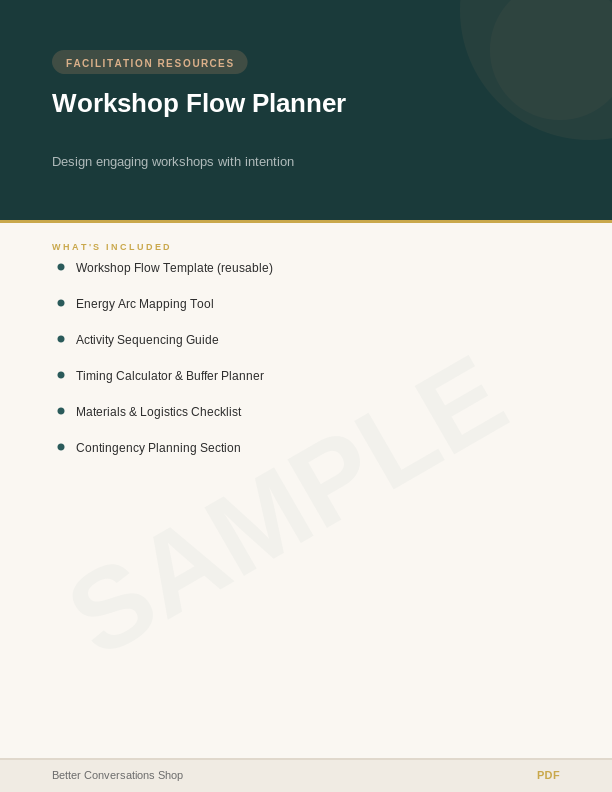
For coaches seeking comprehensive tools, The Method Lab’s Coaching Outcomes & Impact Measurement Kit provides structured frameworks for evaluating coaching effectiveness across multiple dimensions.
Facilitating executive coaching sessions is fundamentally about creating conditions where transformation becomes possible. It requires preparation, presence, and a commitment to the client’s development. The structure, frameworks, and practices outlined in this guide provide the scaffolding. The real work happens in the conversation itself, in the questions you ask, the space you hold, and the belief you embody that your client is capable of meaningful change.
The Method Lab has built tools specifically for coaches and leaders navigating these high-stakes conversations. From session preparation to outcomes measurement, these resources translate these principles into actionable frameworks you can implement immediately.
|
Coaching Session Element |
Purpose |
Key Practice |
|---|---|---|
|
Pre-session preparation |
Establish clarity and intentionality |
Review previous progress, identify focus area, prepare powerful questions |
|
Opening (5-10 min) |
Build safety and confirm direction |
Check in on current state, acknowledge progress, confirm today’s focus |
|
Exploration (40-45 min) |
Facilitate insight and understanding |
Ask reflective questions, listen actively, notice patterns |
|
Closing (5-10 min) |
Create accountability and action |
Specify commitments, confirm next steps, identify support needed |
|
Post-session integration |
Embed learning into daily practice |
One-page summary, micro-practices, mid-week check-in, outcomes tracking |
Frequently Asked Questions
What is the 70/30 rule in coaching?
The 70/30 rule reflects the coaching cadence and engagement model: the coach should speak 30% of the time and the client 70%. This ensures the executive drives the conversation, maintains ownership of insights, and develops self-awareness through reflective inquiry rather than receiving advice. This balance supports behavioral change and accountability for action items.
How do you structure an effective executive coaching session to drive measurable results?
Start with a clear session agenda and opening question that establishes focus. Use active listening and reflective inquiry to guide the executive through their challenge. Build in time for development planning and actionable insights. Close by setting specific accountability and action items tied to performance metrics. Document outcomes using a coaching outcomes measurement tool to track progress over the coaching engagement.
How should I handle resistance or a stuck moment during an executive coaching session?
Pause and acknowledge the resistance directly. Use constructive feedback and reflective inquiry to explore what's beneath it. Ask clarifying questions that invite the executive to examine their own perspective. Sometimes stepping back from the immediate issue and reconnecting to their broader leadership effectiveness or executive presence helps unlock forward movement. Staying curious rather than directive builds the coaching partnership.
What coaching questions work best for executives focused on professional growth?
Ask open-ended questions tied to self-awareness and strategic perspective: 'What would it look like if you handled this differently?' 'What's the cost of staying where you are?' 'What do you need from yourself to make this shift?' Questions that surface evidence-based insights about their leadership competencies and workplace adaptability drive deeper reflection and personal transformation than surface-level advice.
How do I measure whether my executive coaching sessions are delivering value?
Track developmental milestones against the goals set during development planning. Use 360-degree feedback or stakeholder feedback to measure shifts in executive presence and leadership effectiveness. Document behavioral changes and business outcomes tied to the coaching engagement. The Coaching Outcomes & Impact Measurement Kit provides a structured framework for collecting this evidence, which demonstrates coaching's value to organizations and builds credibility for future engagements.
What should I prepare before an executive coaching session?
Review notes from previous sessions and any stakeholder feedback. Clarify the session focus and desired outcomes. Prepare your opening question and key coaching questions aligned to their development plan. Check your own executive presence and mindset. Use a pre-session preparation checklist to ensure you have the coaching contract details, confidentiality agreements, and any assessment data ready. The Coaching Session Prep Workbook guides this reflection process.