
Table of Contents
- Best Resources for Executive Coaching Practice: What Actually Works
- Executive Coaching Tools and Templates That Deliver Results
- Coaching Session Structure for Leaders: Building Consistency
- Executive Coaching Best Practices: Frameworks That Work in Real Situations
- Assessment and Feedback Tools for Client Development
- How to Measure Executive Coaching Effectiveness with Data
- Foundational Resources: Books and Coaching Models
- Tech Stack Integration and Business Operations Tools
Best Resources for Executive Coaching Practice: 2026 Guide
Last Updated: August 3, 2026
Best Resources for Executive Coaching Practice: What Actually Works
Organizations investing in structured coaching frameworks see measurable improvements in leadership effectiveness and team performance. Yet most coaches struggle to access truly practical resources that work in real client situations. This guide breaks down the best resources, tools, frameworks, and systems that deliver results when sitting across from a leader who needs to change.
The difference between a coach who fumbles through sessions and one who commands confidence comes down to preparation and structure. You need resources that go beyond theory, systems that demonstrate value, navigate difficult moments, and help clients see their own progress.
Executive Coaching Tools and Templates That Deliver Results
Building a credible coaching practice requires more than intuition. You need tools that clients can see and feel, preparation systems, conversation frameworks, and progress trackers that signal professionalism from your first interaction.
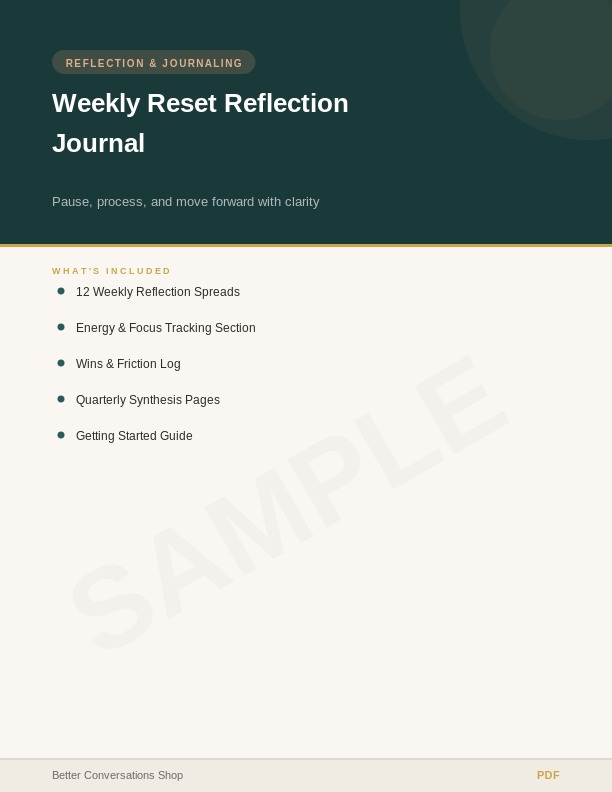
The [Coaching Session Prep Workbook](https://themethodlab.co/product/coaching-session-prep-workbook/) from The Method Lab is a 12-week guided reflection journal that structures your thinking before every session. You know what you’re listening for and have already mapped the client’s context. This shifts the entire dynamic, clients feel the difference immediately.
The Difficult Conversations Toolkit ($28.99) from The Method Lab gives you a pre-conversation planner and emotion mapping exercise for high-stakes moments: difficult feedback, resistance to change, interpersonal conflict. You have structure instead of improvising.
Session Preparation and Client Management Systems
CoachAccountable is a client management platform that handles scheduling, session notes, and action item tracking. Starting at $20 per month for up to 2 clients, it keeps your coaching engagements organized and makes progress visible to clients, crucial for proving coaching works.
For teams running internal coaching programs or coaching firms managing multiple practitioners, upcoach combines administrative tools with habit tracking and accountability groups. Built by coaches for coaches, it goes beyond scheduling into actual transformation support.
|
Tool |
Starting Price |
Best For |
Key Feature |
|---|---|---|---|
|
CoachAccountable |
$20/mo |
Individual coaches, small practices |
Session tracking and action items |
|
upcoach |
Contact for pricing |
Coaching firms, transformation programs |
Habit tracking and accountability |
|
Bonsai |
$24/mo |
Coaches managing business admin |
Legal templates and invoicing |
Conversation Frameworks for High-Stakes Interactions
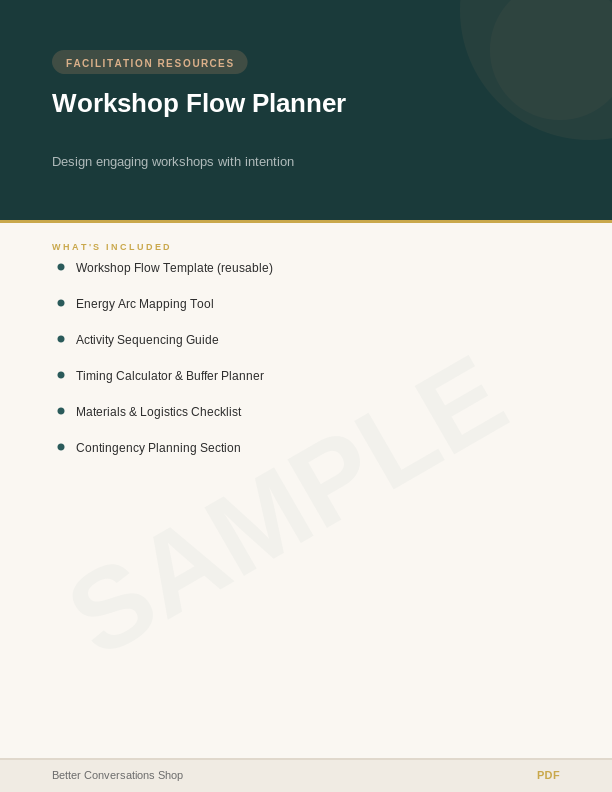
The Conflict Mapping & Resolution Worksheets ($25.99) from The Method Lab provide structured tools for understanding conflict before jumping to solutions. You map stakeholders, identify interests versus positions, and prevent the most common coaching mistake: offering advice before understanding the real problem.
The Manager’s 1:1 Meeting Mastery Kit ($23.99) reframes one-on-one conversations as coaching moments.
Coaching Session Structure for Leaders: Building Consistency
Consistency separates amateur coaching from professional practice. When you run sessions the same way every time, clients feel safe and can focus on the work.
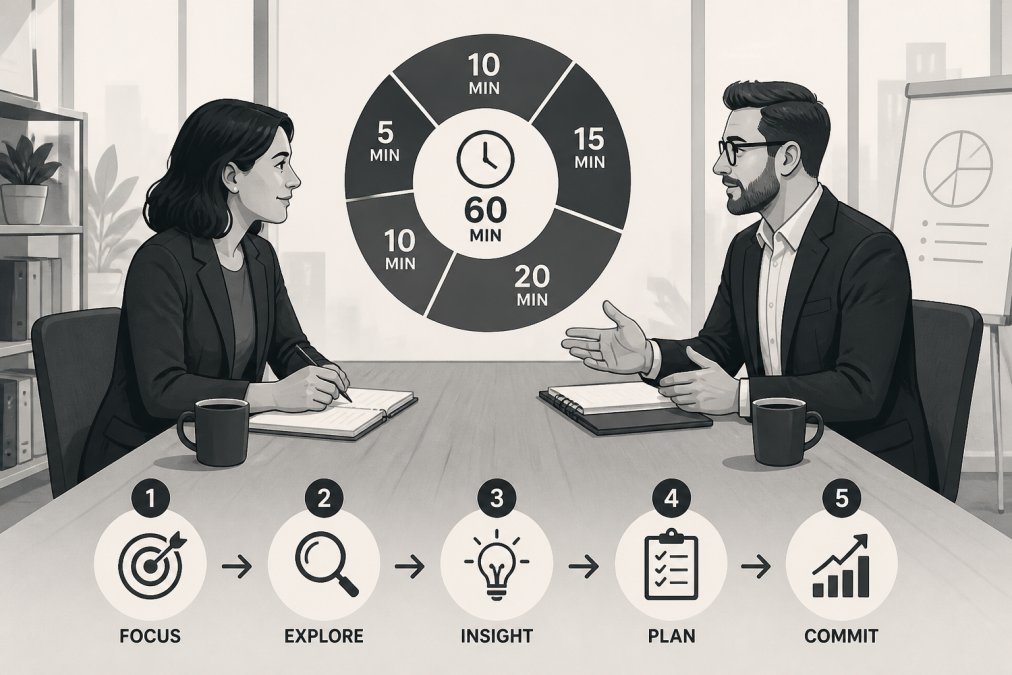
A strong session structure follows a predictable arc: open with context-setting, listen deeply to what’s actually happening, ask questions that help clients discover their own answers, and close with clear commitments and next steps.
The [Coaching Outcomes & Impact Measurement Kit](https://themethodlab.co/product/coaching-outcomes-impact-measurement-kit/) ($28.99) from The Method Lab includes session structure templates and frameworks for tracking what’s actually changing. Without measurement, you can’t prove value. Without proving value, clients don’t renew.
Pre-Session Preparation Workflows
Before sitting down with a client, know what you’re listening for. Effective pre-session work includes reviewing previous session notes, identifying patterns, preparing 3-5 powerful tailored questions, clarifying session success, and noting emotional dynamics to watch.
The Coaching Session Prep Workbook ($23.99) from The Method Lab forces you through this preparation every time. Clients sense when you’re specifically focused on their situation, not running through a template.
Post-Session Reflection and Progress Tracking
The best coaches spend 10 minutes immediately after reflecting on what happened and what changed. Post-session reflection includes noting client discoveries, identifying breakthroughs or resistance patterns, documenting action items, planning the next session’s focus, and assessing your own coaching effectiveness.
The Facilitation Debrief Toolkit ($17.99) from The Method Lab provides a self-evaluation rubric and feedback collection system. Over time, this data shows exactly where your coaching is strongest and where you need to develop.
Executive Coaching Best Practices: Frameworks That Work in Real Situations
The coaching models and frameworks you use directly impact client outcomes. Effective frameworks start with the client’s current reality, build self-awareness before suggesting change, create accountability through visible progress tracking, and adapt to the client’s learning style and pace.
Active Listening and Reflective Practice Techniques
Active listening is focused, intentional practice where you track not just what the client says, but what they’re not saying. True active listening includes listening for what matters to the client, noticing emotional undertones, reflecting back what you hear, asking clarifying questions that deepen thinking, and staying curious about what’s underneath stated problems.
The [Executive Communication Mastery Guide](https://themethodlab.co/product/executive-communication-mastery-guide/) ($33.99) from The Method Lab helps clients understand how communication quality determines leadership impact. When clients see this connection, they’re motivated to change.
Behavioral Change and Goal-Setting Methodologies
Most people set goals and fail because the goals aren’t designed for how behavior actually changes. Strong coaching goals are specific and observable, tied to business impact, measurable with clear evidence, realistic but challenging, and time-bound with checkpoints.
Behavioral change requires systems, not just willpower. The best coaching practices help clients build new habits through environmental design, accountability structures, and regular reflection.
Assessment and Feedback Tools for Client Development
Data changes how clients see themselves. Self-perception is often wildly inaccurate. Assessment tools ground coaching in objective reality.
Psychometric Assessments: CliftonStrengths and Everything DiSC
CliftonStrengths identifies 34 talent themes and helps clients understand their natural strengths. Starting at $24.99 for the Top 5 Strengths assessment, the real value comes in skilled debriefing. A coach uses CliftonStrengths to help clients see how their strengths show up under stress and how to use them more strategically.
Everything DiSC measures behavioral style across four dimensions: Dominance, Influence, Steadiness, and Conscientiousness. It’s particularly useful for executive coaching because it helps leaders understand how their style impacts others. Both tools work best when you’re trained in administration and interpretation.
360-Degree Feedback and Multi-Rater Assessments
360-degree feedback collects input from a leader’s manager, peers, direct reports, and sometimes clients. It’s powerful because it shows how the leader is actually perceived.
Coachmetrix specializes in 360 assessments and ROI tracking. The platform includes goal setting, progress tracking, and customizable surveys built specifically for coaching. A skilled coach uses 360 data to create motivation for change, not shame.
|
Assessment |
Cost |
Best For |
Key Insight |
|---|---|---|---|
|
CliftonStrengths |
$24.99 |
Strengths-based development |
Natural talent themes |
|
Everything DiSC |
Contact for pricing |
Behavioral style coaching |
Impact on others |
|
Coachmetrix 360 |
Contact for pricing |
Multi-rater feedback |
Perception gaps |
How to Measure Executive Coaching Effectiveness with Data
Coaches who can’t prove ROI don’t stay in business. The most common mistake is measuring activity instead of impact. You tracked 12 sessions, that’s activity. But did the client’s leadership effectiveness improve? Did team engagement increase? That’s impact.
ROI Tracking and Progress Measurement Systems
Effective ROI tracking starts before coaching begins. You establish baseline metrics, define what success looks like, and identify leading indicators that suggest change is happening.
For executive coaching, relevant metrics might include 360-degree feedback scores, direct report engagement or retention, business metrics tied to the coaching focus, client self-assessment of confidence, and specific behavioral changes.
The Coaching Outcomes & Impact Measurement Kit ($28.99) from The Method Lab provides templates for establishing baselines, tracking progress, and calculating ROI.
Building a Measurement Framework Your Clients Understand
Data matters only if clients understand it and believe it. Transparent measurement includes clear baselines, regular check-ins, visible progress, honest assessment, and business connection. When clients see progress tracked this way, they’re more engaged and take the coaching seriously.
Foundational Resources: Books and Coaching Models
Coaching frameworks and methodologies matter. You need to know what model you’re working from and why it works.
Essential Reading for Coaching Methodology
The Coaching Habit by Michael Bungay Stanier introduces seven essential questions that shift leaders from telling to asking. At $15-$20, it’s immediately applicable and pays for itself in your next coaching session.
You should understand the major coaching models:
- Co-Active Coaching Model: Focuses on the whole person and the client’s wisdom
- Behavioral Coaching: Targets specific behavior change through goal-setting and accountability
- Transformational Coaching: Focuses on shifts in identity and worldview
- Executive Coaching: Combines business acumen with coaching skills
Different models work for different clients. Your best resource is understanding multiple models so you can adapt.
Coaching Certification and Professional Development Pathways
Professional coaching certification signals credibility and deepens your skills significantly. The International Coach Federation (ICF) is the global standard. ICF-accredited programs include Co-Active Training Institute (CTI) and iPEC (Institute for Professional Excellence in Coaching). CTI’s Foundations course starts at $490 and leads to direct pathways for ACC and PCC credentials.
Tech Stack Integration and Business Operations Tools
Running a coaching practice requires business systems that let you focus on clients instead of administration.
Client Management Platforms for Coaches
CoachAccountable is designed specifically for coaches. The platform includes session templates, action item tracking, and automated progress updates. Clients can log in and see their commitments, driving accountability. Starting at $20 per month for up to 2 clients, it scales as your practice grows.
For larger operations, upcoach combines scheduling, course delivery, habit tracking, and accountability groups. Built by coaches who understand coaching workflow, it makes sense for established practices.

Legal Templates and Business Administration Resources
Proper agreements protect both you and your clients. Bonsai provides executive coaching agreement templates, proposal systems, and invoicing tools. Starting at $24 per month on the Starter plan (billed annually), it includes customizable contracts that are legally sound.
The templates cover coaching engagement agreements, confidentiality agreements, payment terms, and liability clauses. Using professional templates signals professionalism to clients and removes ambiguity about what coaching includes.
|
Platform |
Starting Price |
Best For |
Primary Function |
|---|---|---|---|
|
CoachAccountable |
$20/mo |
Individual coaches |
Client management |
|
upcoach |
Contact for pricing |
Coaching firms |
Transformation platform |
|
Bonsai |
$24/mo |
Business administration |
Legal templates, invoicing |
The Method Lab: Integrating Best Practices Into Your Coaching
The Method Lab brings together the core elements of effective executive coaching practice. The platform combines session preparation systems, conversation frameworks, assessment tools, and measurement systems into an integrated approach that builds credibility, demonstrates value, and generates sustainable results.
What sets The Method Lab apart is the focus on real conversations. The frameworks are designed for the specific moments where coaching either works or fails: difficult conversations, resistance to change, progress tracking, and ROI demonstration. The tools are client-ready PDFs with clean structure, ready to use immediately.
For coaches building serious practices, The Method Lab provides the structured foundation that separates amateurs from professionals. You get frameworks that work, measurement systems that prove impact, and business tools that let you run operations professionally. The combination drives coaching effectiveness.
The best resources for executive coaching practice are integrated systems that address preparation, client engagement, assessment, and measurement. When you combine structured frameworks with the right tools, your coaching becomes more effective, more credible, and more sustainable. The Method Lab provides this integration, everything you need to run a professional coaching practice that delivers measurable results.
Frequently Asked Questions
What are the essential executive coaching tools and templates I should have?
Start with session prep workbooks, client assessment tools, and conversation frameworks for difficult discussions. The Coaching Session Prep Workbook ($23.99) provides structured reflection before each session, while the Difficult Conversations Toolkit ($28.99) prepares you for high-stakes interactions. Add a progress measurement system like the Coaching Outcomes & Impact Measurement Kit ($28.99) to demonstrate coaching effectiveness. These three form a foundation that covers preparation, delivery, and measurement.
How do I structure an executive coaching session that feels natural but stays focused?
Use a consistent three-phase structure: preparation (understanding the client's current state and goals), active exploration (asking questions that build self-awareness), and action planning (clear next steps). The Manager's 1:1 Meeting Mastery Kit ($23.99) provides templates for this flow. Preparation keeps you focused; exploration prevents advice-giving; action planning ensures accountability. Consistency across sessions builds client trust and measurable progress.
What's the best way to measure executive coaching effectiveness for skeptical stakeholders?
Use baseline assessments before coaching starts, track progress at 30, 60, and 90 days, and measure specific outcomes your client defined. Tools like Coachmetrix offer 360-degree feedback and customizable metrics. Document behavioral changes, goal completion rates, and client-reported confidence shifts. Present data simply: 'Client improved communication effectiveness by 40% on 360 feedback' resonates better than generic statements. The Coaching Outcomes & Impact Measurement Kit provides templates for this approach.
Should I invest in certification programs or start with resources and templates?
If you're new to coaching, formal certification (like CTI's Co-Active program starting at $490 or iPEC's ICF-accredited training) provides structured methodology and credibility. If you're an experienced leader or manager coaching your team, practical resources and templates get you started faster. Many coaches combine both: start with templates to build confidence, then pursue certification to deepen competency and expand your practice. Your client type and goals should guide this decision.
What resources help me stay authentic while using structured frameworks?
Frameworks aren't scripts. Use tools like the Executive Communication Mastery Guide ($33.99) to understand communication principles, then adapt them to your style. The key is preparation: when you know your framework deeply, you can deliver it conversationally. Practice the structure in low-stakes conversations first. Reflective practice tools like the Facilitation Debrief Toolkit ($17.99) help you review what worked and what felt forced, building your ability to use frameworks authentically over time.
