Table of Contents
- Why Credibility Matters for Coaches
- Step 1: Earn Professional Certifications That Matter
- Step 2: Demonstrate Expertise as a Coach Through Results
- Step 3: Collect and Showcase Client Testimonials for Coaches
- Step 4: Establish Thought Leadership and Professional Boundaries
- Step 5: Practice Coaching Ethics and Integrity
- Step 6: Build Your Digital Footprint and Personal Brand
- Step 7: Overcome Imposter Syndrome and Build Authentic Presence
Last Updated: August 2, 2026
Building credibility as a coach isn’t about perfecting your pitch or accumulating credentials. It’s about demonstrating consistent value, earning trust through measurable results, and showing up authentically for your clients. According to research in the coaching industry, coaches who establish credibility in their first year retain 40% more clients than those who don’t. This guide covers seven concrete steps that transform how you’re perceived, from certifications to social proof to your digital footprint.
Real credibility compounds over time when you layer professional credentials, consistent delivery, authentic communication, and visible proof of client outcomes. Below is the exact framework that separates coaches clients trust from those who struggle to fill their calendar.
Why Credibility Matters for Coaches
Your credibility directly determines whether prospects become clients and whether clients refer you to others. New clients can’t assess your coaching ability before they hire you, they assess your credibility instead. They look for signals: Do you have relevant training? Can you show results from past clients? Do you seem like you know what you’re talking about?
Building credibility as a coach means answering these questions before prospects ask them. It means making your expertise visible, your results measurable, and your approach transparent.
Step 1: Earn Professional Certifications That Matter
Not all certifications carry equal weight. A credential from a well-known coaching body signals that you’ve met rigorous standards.
The International Coach Federation (ICF) remains the gold standard in the coaching industry. ICF-accredited programs require 60+ hours of coach training, demonstrated coaching practice, and formal assessment. When prospects see “ICF Certified Coach” on your profile, they understand you’ve met an external standard.
Depending on your coaching niche, other certifications carry significant credibility: Certified Professional Coach (CPC) for executive coaching, leadership institute certifications for leadership development, or specialized credentials for your specific niche. The key distinction is pursuing certifications from organizations with external standards and recognition, not self-created programs.
Choosing the Right Certification Path
Start by identifying your coaching niche and researching which certifications practitioners in that space actually hold. If 80% of executive coaches in your market are ICF-certified, that credential becomes table stakes.
Most reputable coaching certifications require 6-12 months of part-time study and cost between $3,000 and $8,000. This investment is worth it because it directly impacts your credibility and your ability to command higher rates.
Display your credentials prominently on your website, LinkedIn profile, and email signature. Use the full credential name: “Certified Professional Coach (ICF)” not just “Certified Coach.” Include the year you earned the credential, recent certifications signal current knowledge.
:::pro tip List your credentials in order of relevance to your target market, not prestige. If you’re coaching emerging leaders and hold both an ICF credential and a specialized leadership development certification, list the leadership credential first. :::
Step 2: Demonstrate Expertise as a Coach Through Results
Credentials prove you’ve been trained. Results prove you can actually coach. Most coaches struggle to articulate the results their clients achieve. Instead of “improved communication,” say “reduced meeting time by 25% while increasing decision velocity.” Instead of “became a better leader,” say “improved direct report engagement scores by 18 points and reduced turnover by 40%.”
The specificity proves you measure results instead of assuming they happened. It also helps prospects see themselves in your past work.
Measuring and Tracking Client Outcomes
Create a simple tracking system for every coaching engagement. Before coaching begins, identify 2-3 specific outcomes the client wants to achieve. Check in at the midpoint and end of coaching. Document the results.
Build a private results portfolio where you track client outcomes (with names removed for confidentiality). This becomes your reference when crafting case studies, testimonials, and marketing messaging. You’ll notice patterns in which coaching approaches drive the strongest results.
The Coaching Outcomes & Impact Measurement Kit provides a structured framework for tracking client results without adding complexity to your practice.
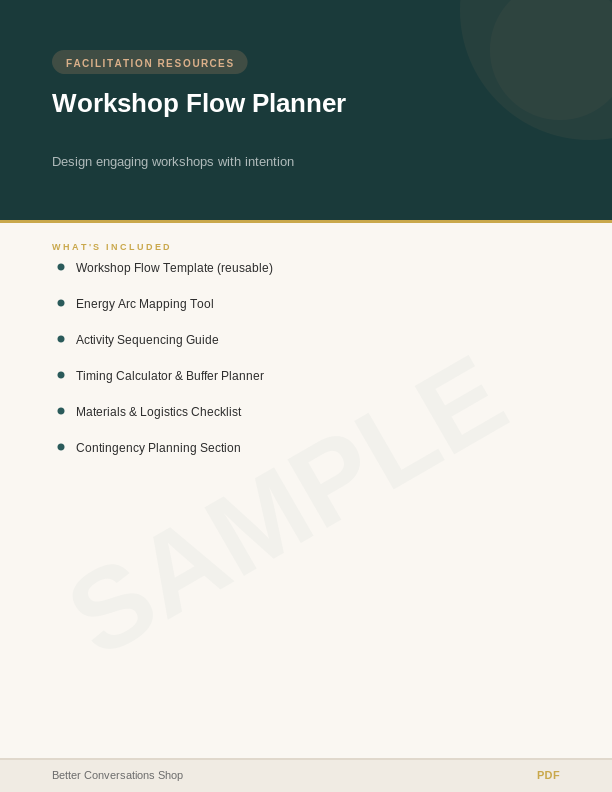
Step 3: Collect and Showcase Client Testimonials for Coaches
Client testimonials are the most credible form of social proof because they come from people who’ve actually experienced your coaching. Build testimonial collection into your coaching process. Near the end of an engagement, ask: “Would you be willing to share a brief testimonial about your experience working together?”

The best testimonials are specific. A strong testimonial sounds like: “Working with Sarah, I moved from reactive crisis management to strategic planning. Within three months, I’d implemented two major process improvements that my team had been requesting for years.”
Building Your Social Proof Framework
Create a dedicated section on your website for client testimonials. Include the client’s name, title, and organization when possible (with permission). A testimonial attributed to “Jennifer, VP of Operations at TechCorp” carries more weight than “Jennifer.”
Collect testimonials across different client types and outcomes. Video testimonials are more credible than written ones because they’re harder to fabricate. A 60-90 second video of a client describing their coaching experience carries significantly more weight than text.
Ask clients permission to use their testimonials across multiple places: your website, LinkedIn, proposals, and case studies.
Step 4: Establish Thought Leadership and Professional Boundaries
Thought leadership is sharing your expertise publicly so people recognize you as a knowledgeable authority in your field. Write about common challenges your clients face, frameworks you use, and lessons you’ve learned. Publish these pieces on your website, LinkedIn, or industry publications.
Establish clear professional boundaries as part of building credibility. Coaches with weak boundaries lose credibility quickly. Coaches with strong boundaries are seen as professional and trustworthy. Your boundaries should be clear in your marketing: “I specialize in executive coaching for leaders in technology companies” is stronger than “I coach anyone who wants to grow.”
Creating Your Coaching Framework
Develop a clear coaching framework that you use consistently. Your framework might be: Assessment → Goal Setting → Accountability Coaching → Results Review. The point is that you have a named, repeatable process you can explain to prospects.
Document your framework clearly. Create a one-page visual that shows how your coaching process works. Share this in proposals, on your website, and in initial conversations with prospects.
Step 5: Practice Coaching Ethics and Integrity
Your ethical standards and integrity are foundational to your credibility. Integrity means doing what you say you’re going to do. If you commit to a coaching timeline, stick to it. If you say you’ll maintain confidentiality, maintain it absolutely.
Ethical practice means being clear about what coaching is and isn’t. Coaching isn’t therapy or consulting. Be transparent about your boundaries and what clients should expect. If a client’s needs fall outside your expertise, refer them to someone better suited.
Transparency and Accountability in Your Practice
Build transparency into how you work. Share your coaching process upfront. Be clear about your fees and what’s included. Create a simple coaching agreement that clarifies expectations: timeline, frequency of sessions, focus areas, how results will be measured, confidentiality boundaries, and cancellation policies.
Accountability means being willing to admit when something doesn’t work and adjusting. If a coaching approach isn’t generating results, change it. Coaches who hide problems lose credibility. Coaches who face them head-on earn respect.
Step 6: Build Your Digital Footprint and Personal Brand
Your digital presence is often the first impression prospects have of you. A strong digital footprint signals that you’re professional, active in your field, and worth taking seriously.
Start with a professional website. It doesn’t need to be elaborate, it needs to be clear. Include your background, coaching approach, client testimonials, credentials, and a clear way for prospects to contact you.
Your LinkedIn profile should mirror your website messaging. Use a professional photo and compelling headline: “Executive Coach for Technology Leaders” is stronger than “Coach.” Keep your experience section current and share relevant articles and insights regularly.
Consistency Across Platforms
Consistency builds credibility. Your messaging should be the same on your website, LinkedIn, email, and anywhere else you show up professionally. Your photo and positioning should be consistent. When someone encounters you in multiple places and sees the same clear message, they begin to trust that message.
Update your profiles and content at least monthly. A LinkedIn profile that hasn’t been updated in a year signals that you’re not active in your field.
:::pro tip Repurpose your coaching insights across platforms. A framework you use with clients becomes a LinkedIn article. That article becomes a section on your website. The same insight reaches different audiences and reinforces your positioning. :::
Step 7: Overcome Imposter Syndrome and Build Authentic Presence
Even coaches with strong credentials, proven results, and clear positioning often struggle with imposter syndrome. The antidote isn’t false confidence, it’s grounding yourself in evidence.
Review your track record. Look at your client outcomes. Read your testimonials. These aren’t luck; they’re evidence that you can actually coach. You’ve helped people achieve real results.
Build an authentic presence by being willing to share your journey, including the struggles. Coaches who only show their wins seem inauthentic. Coaches who acknowledge challenges they’ve overcome and lessons they’ve learned seem real. Authenticity builds trust more reliably than perfection.
|
Strategy |
Timeline |
Frequency |
Impact |
|---|---|---|---|
|
Earn professional certification |
6-12 months |
One-time |
High, foundational credential |
|
Track client outcomes |
Ongoing |
Every engagement |
High, builds results portfolio |
|
Collect testimonials |
Ongoing |
After each engagement |
High, social proof |
|
Publish thought leadership |
Ongoing |
Monthly minimum |
Medium, builds authority over time |
|
Update digital presence |
Ongoing |
Monthly |
Medium, signals active engagement |
|
Document coaching framework |
1-2 months |
One-time |
Medium, clarifies your approach |
|
Practice transparent communication |
Ongoing |
Every client interaction |
High, builds trust consistently |
Moving From Credibility to Sustainable Practice
Building credibility as a coach is an ongoing practice of consistently delivering results, gathering evidence of those results, and sharing that evidence transparently with your market. The coaches with the strongest practices aren’t necessarily those with the most credentials, they’re the ones who’ve mastered the fundamentals: they know their niche, deliver measurable results, ask for testimonials, communicate clearly, and show up authentically.
Start with one or two of these strategies. If you don’t have an ICF certification, pursue it. If you have credentials but no testimonials, collect them systematically. Each element you add strengthens the others.
The New Leader’s First 90 Days Toolkit provides structured frameworks for establishing credibility quickly if you’re new to a coaching role. It includes templates for documenting your approach, tracking client outcomes, and communicating your value clearly.
Your credibility is built on evidence, consistency, and authenticity. Focus on those three elements and your practice will grow.
Building credibility as a coach requires moving beyond generic claims to specific, measurable evidence of your impact. The Method Lab provides structured tools, including frameworks for tracking client outcomes, documenting your coaching approach, and gathering social proof, that help coaches establish authority quickly. Start with one framework, implement it consistently, and watch how your credibility compounds as you accumulate evidence of results. Explore The Method Lab’s coaching tools to access templates that accelerate your credibility-building process.
Frequently Asked Questions
How do professional certifications help build credibility as a coach?
Certifications demonstrate you've completed structured training and meet industry standards. They signal to clients that you've invested in your development and understand coaching ethics and competency frameworks. When you display credentials prominently on your website and materials, clients see proof that you've been vetted by a recognized body. This is especially important in your first 90 days as a coach, when clients have limited track record to evaluate.
What role do client testimonials play in building coach credibility?
Client testimonials provide social proof that your coaching actually works. They show potential clients real outcomes from people like them, which is more persuasive than any claim you make yourself. Systematically collect testimonials after successful engagements, ask specific questions about results, and feature them on your website and marketing materials. This builds trust faster than credentials alone and demonstrates your coaching framework produces measurable client outcomes.
How can I build credibility as a new coach without years of experience?
Focus on three areas: earn recognized certifications, document early client wins clearly, and demonstrate authentic presence by being transparent about your journey. Share what you've learned from your coaching framework and training. Build your digital footprint with consistent, helpful content that shows your expertise. Overcome imposter syndrome by remembering that certifications and structured methodology matter as much as tenure. Use tools like the Coaching Outcomes Impact Measurement Kit to track and showcase results from day one.
What coaching ethics practices are essential for credibility?
Maintain professional boundaries, honor client confidentiality, be transparent about your methods and limitations, and deliver on every promise. Establish clear expectations upfront about your coaching modality, what clients can expect, and how you measure success. Follow ethical standards consistently, even when no one is watching. This reliability builds trust over time and protects your reputation. Clients notice when coaches operate with integrity, and word-of-mouth from ethical practice is one of the strongest credibility builders available.